

Key takeaways
- Start with the job you want, then pick the qualification that leads to it
- Know the difference between NVQ (Sri Lanka), VTCT & iTEC (UK) and NASM (USA) qualifications
- Check the institute's registration yourself — don't just take their word for it
- Ask how many hours you'll spend training real people in a real gym
- Compare the total cost, not just the first payment
On this page
- 1. Start with the job you want
- 2. Understand the three main types of qualification
- National qualifications (TVEC / NVQ)
- UK qualifications (VTCT & iTEC)
- US certifications (NASM)
- 3. Check that the institute is genuine
- 4. Look closely at the practical training
- 5. Think about time, schedule and study mode
- 6. Compare the full cost — not just the first payment
- 7. Ask what happens after you finish
- Your quick checklist
- Ready to take the next step?
Fitness is a growing career in Sri Lanka. Gyms, hotel spas, corporate wellness programmes and online coaching all need qualified people. But with so many courses on offer — from a few weeks to a full year, classroom or online, local or international — choosing the right one can feel confusing.
This guide walks you through what to look at, the questions to ask, and how to avoid paying for a certificate that won't help your career.
1. Start with the job you want
Before comparing courses, decide where you want to end up. Different jobs need different training:
- Gym instructor or personal trainer — you'll need a solid base in anatomy, exercise technique, programme design and safety.
- Group fitness, aerobics, yoga or Pilates instructor — look for courses focused on teaching classes and cueing groups.
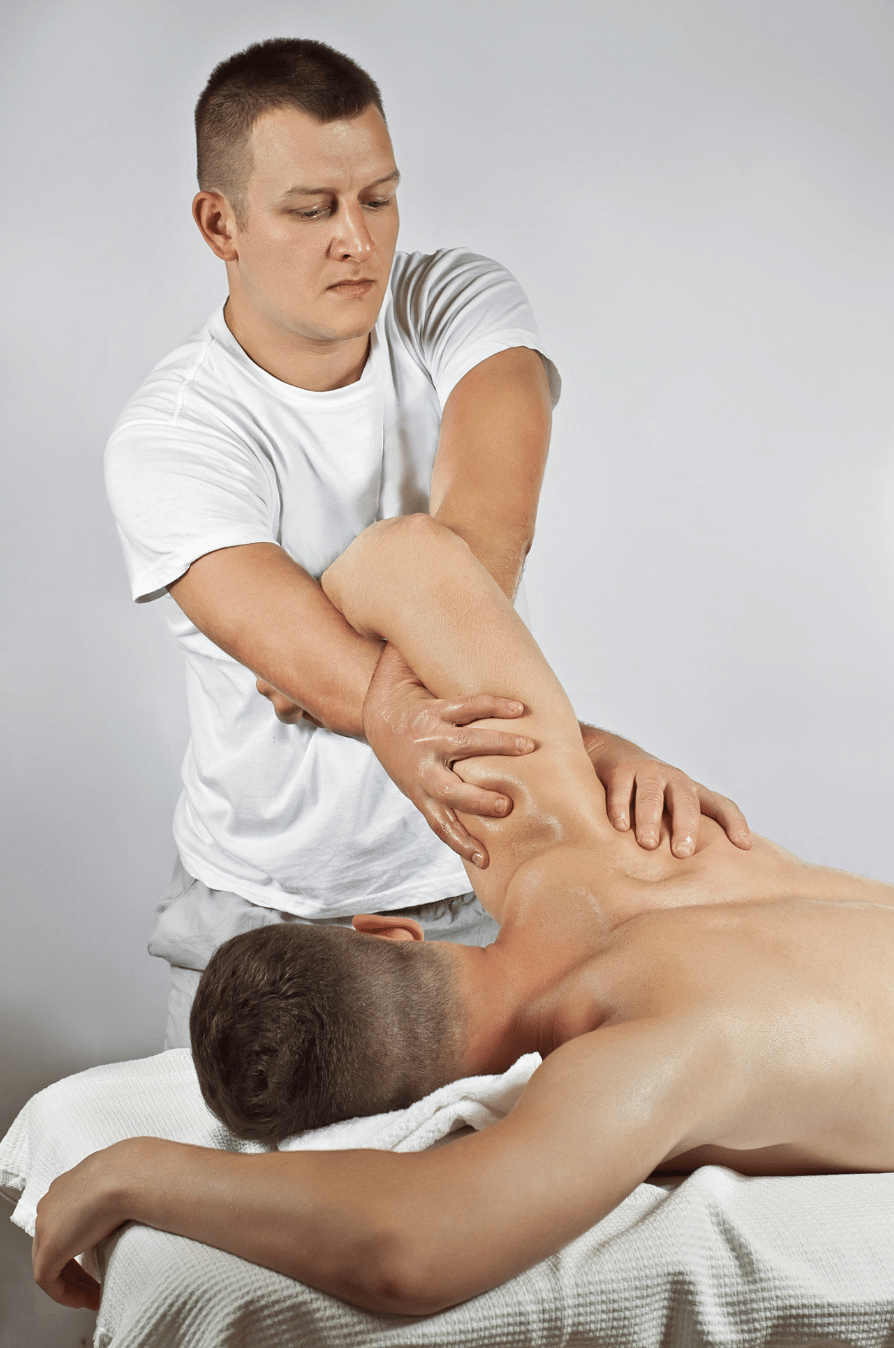
- Sports massage — this is a hands-on skill, so practical hours matter more than anything else.
- Nutrition coaching — check whether the course teaches how to coach real clients, not just food science.
- Working abroad — many people train in Sri Lanka and then work in the Middle East, the UK, Australia or on cruise ships. If that's your plan, an internationally recognised qualification will open more doors.
Once you know your goal, you can rule out half the options straight away.
 Personal training
 Yoga teaching
 Sports massage
2. Understand the three main types of qualification
In Sri Lanka you'll mostly come across three kinds of fitness qualification. Each has its place.
National qualifications (TVEC / NVQ)
The National Vocational Qualification (NVQ) framework is Sri Lanka's official system for vocational skills, overseen by the Tertiary and Vocational Education Commission (TVEC). NVQ courses such as Physical Fitness Trainer – NVQ Level 4 follow a national standard and are assessed in a structured way. They're a strong choice if you plan to build your career in Sri Lanka.
UK qualifications (VTCT & iTEC)

VTCT and iTEC are UK awarding bodies regulated by Ofqual, England's official qualifications regulator. Their diplomas sit on the UK's Regulated Qualifications Framework (RQF) — for example, a Level 3 Diploma in Personal Training or Sports Massage. Because the levels map onto international frameworks, these qualifications are widely understood by employers overseas.
US certifications (NASM)
NASM (the National Academy of Sports Medicine) is one of the best-known fitness certification bodies in the world, and its core certifications are NCCA-accredited. NASM courses such as the Certified Personal Trainer are usually studied online at your own pace, which suits people who are already working. There are also many specialisations — nutrition, corrective exercise, sports performance and more — for trainers who want to grow.
Tip: these aren't competing choices. Many trainers start with one qualification and add another later — for example, an NVQ or VTCT diploma first, then a NASM specialisation.
3. Check that the institute is genuine
Unfortunately, not every "certificate" is worth the paper it's printed on. Before you pay, check:
- TVEC registration — registered institutes have a registration number. Ask for it.
- Approved centre status — for VTCT, the awarding body's own website lists its approved training providers. You can look the institute up yourself.
- Certificate verification — ask whether employers can verify your certificate online. A genuine institute will have a way to do this.
- Who teaches — ask about the lecturers' own qualifications and experience.
If an institute can't or won't answer these questions clearly, that's a warning sign.
For example, LIFN's TVEC registration number is P01/0461, and LIFN is listed as an approved centre on VTCT Skills' own website — both things you can check for yourself.
4. Look closely at the practical training
Fitness is a practical job. Reading about a squat is not the same as coaching a nervous beginner through one. Ask:
- How many hours will I spend training real people in a real gym?
- What equipment will I practise on?
- How big are the classes? Will I get personal feedback?
- How are practical skills assessed?
A good course gives you plenty of supervised practice, so you leave confident — not just certified.
 Coaching real people is a skill you only learn by doing it.
5. Think about time, schedule and study mode
Courses in Sri Lanka range from a few weeks to a full year. Be realistic about what fits your life:
- Short certificates (a few weeks to a few months) are great for adding a skill, such as bodybuilding or aerobics instructing.
- Diplomas and NVQ courses (around six months to a year) give you a deeper, career-ready foundation.
- Online, self-paced courses suit people who are working or studying, but you'll need the discipline to keep going.
Ask whether there are weekday and weekend batches, and what happens if you miss a session.
6. Compare the full cost — not just the first payment
When comparing fees, ask exactly what's included:
- Registration and course fees
- Exam or assessment fees
- Study materials and uniform
- The final certificate
Many institutes offer monthly payment plans, which can make a longer course much more affordable. Just compare the total amount you'll pay across all instalments, and check whether there are any late-payment fees.
7. Ask what happens after you finish
A course is the start of your career, not the end. Find out:
- Does the institute help with internships or job placements?
- Are there success stories — graduates now working in gyms, hotels or abroad?
- Can you continue studying with them, through advanced diplomas or specialisations?
Talking to past students is one of the best ways to see whether a course delivers what it promises.
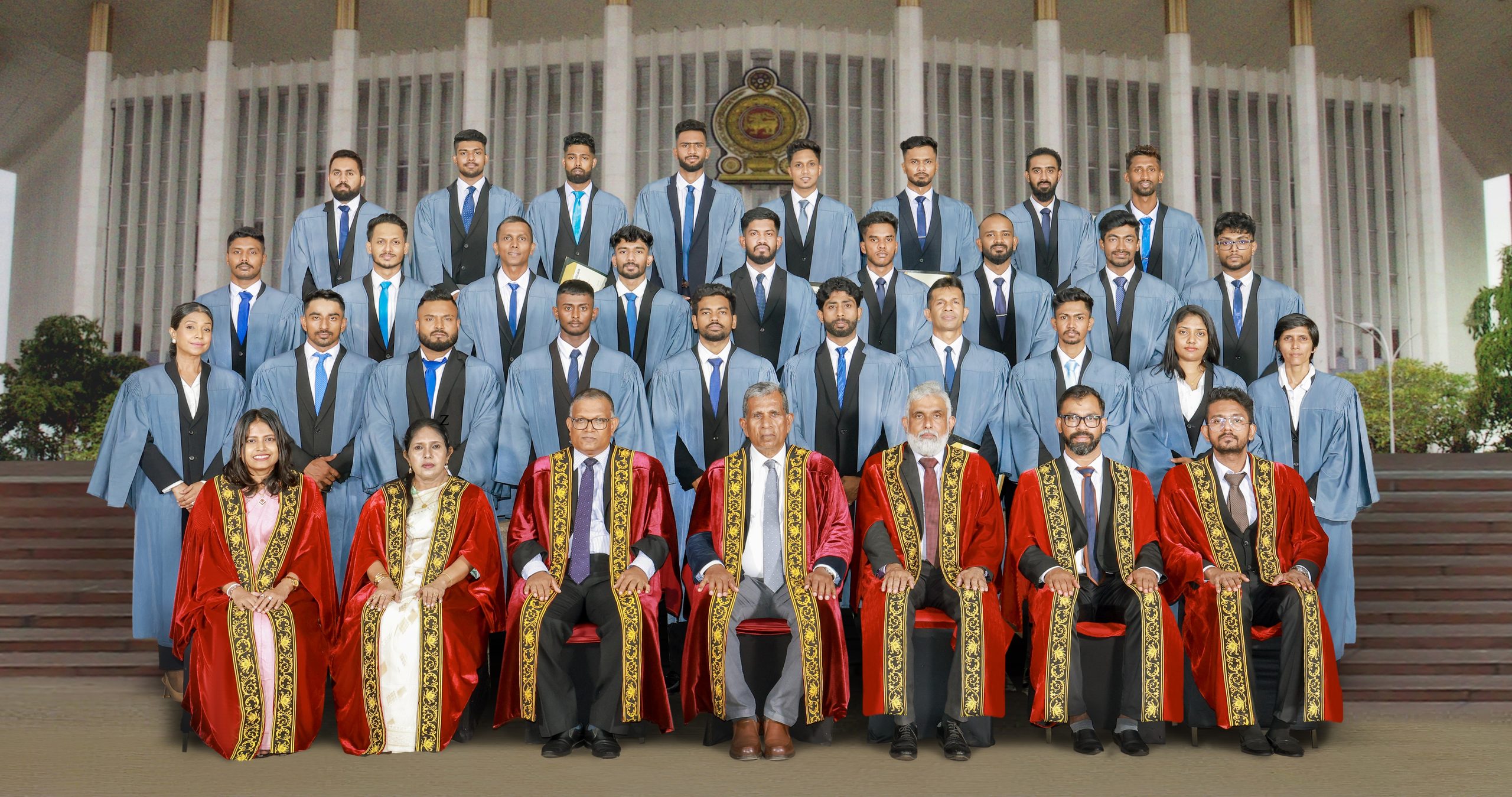 Graduation day — the start of a new career.
Your quick checklist
Before you enrol, make sure you can answer "yes" to these:
- Does this course lead to the job I want?
- Is the qualification recognised — nationally, internationally or both?
- Have I checked the institute's registration myself?
- Will I get enough hands-on practice with real clients?
- Does the schedule fit my life?
- Do I know the total cost, including exams and the certificate?
- Will the institute support me after I finish?
Ready to take the next step?
At LIFN, we offer TVEC-registered NVQ courses, UK-regulated VTCT & iTEC diplomas and NASM certifications — so you can choose the path that fits your goals. If you're not sure which course is right for you, message us on WhatsApp or visit us in Kottawa. We're happy to help you choose.